Peruphasma schultei
search
  • Peruphasma schultei

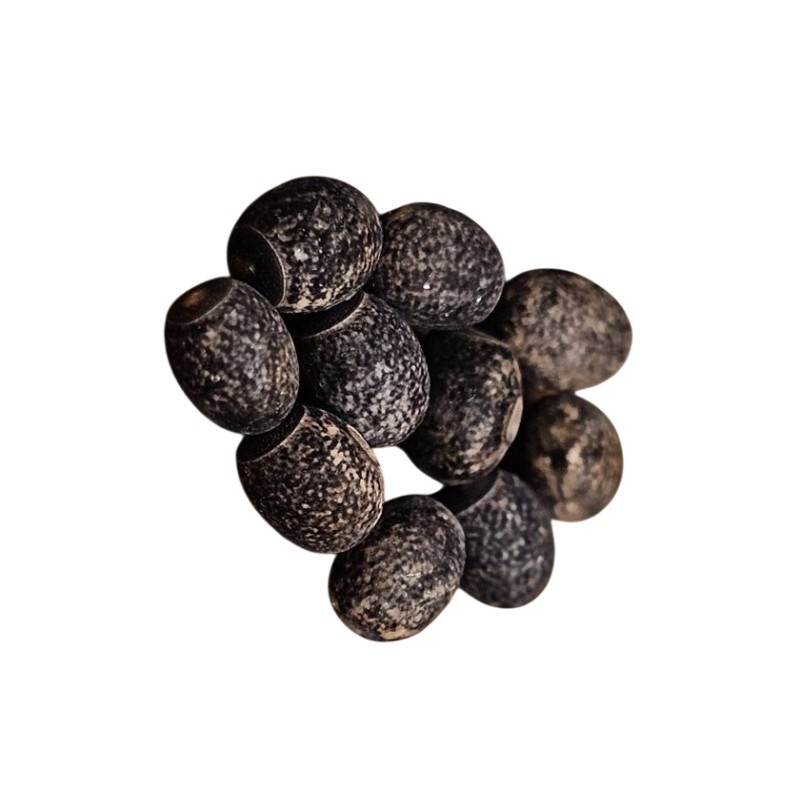
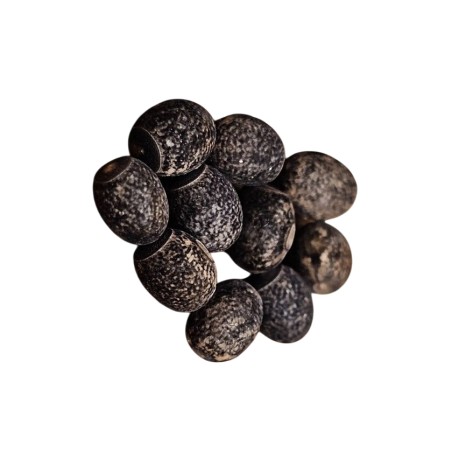
5x Peruphasma schultei

€2.50
Tax included
Peruvian phasmid known as "Black Beauty Stick Insect" or "Golden-Eyed Stick Insect", Peruphasma schultei are insects suitable for being raised even by beginners.
The specimens reach maturity after about 5 months from the egg hatching and go through 6 stages of moulting in which they increase their size until they reach 5-7cm. Males are smaller than females and are less robust and more threadlike.
ATTENTION: Due to the delicacy of these insects, nymphs - L1 - L2 are excluded from sale. The nymph is the insect just hatched from the egg, with L1 we mean a subject that has started to feed and with L2 we mean a specimen that has completed the first process of replacing its exoskeleton, to allow the insect to grow.
Both the male and the female seem to be made of black velvet, with small red wings not suitable for flight but which serve to scare away any predators. If it feels threatened, it can spray a smelly, stinging liquid (avoid contact with eyes and mucous membranes).

Stadio: Uova
Quantità: 10 pezzi
Quantity
Last items in stock

Image Combination name Price Add to cart
10 pezzi, Uova €2.50
5 Pezzi, L3 - L4 €13.00
5 Pezzi, L4 - L5 €18.00
1 pezzo, Esemplare Adulto €4.50
Coppia M+F, Esemplare Adulto €8.50
add_shopping_cartAdd to cart
How to breed our friends Peruphasma schultei:
TEMPERATURE: 24°-25°C during the day, 20°-21°C at night, humidity about 50%;
DIET: it is herbivorous and feeds mainly on leaves, including: privet, olive, honeysuckle (Lonicera spp.), lilac (Lonicera spp.) and Cotoneaster (Cotoneaster sp.);
SETUP: terrarium or faunabox developed in height, the use of the substrate is at the breeder's choice, from paper towels to coconut fiber or vermiculite. Pay attention to the humidity, it must not be too high as it could cause mold to proliferate, extremely harmful to stick insects;
HABITS: active mainly at night, in the coolest hours;
REPRODUCTION: they are not parthenogenic but reproduction is sexual between male and female. Females lay and abandon eggs attached to vegetation or on the ground. The eggs hatch after an incubation period of 5 or 6 months depending on temperature and humidity.

ANVRHCISPSU10-ins

Data sheet

Specie
Insects

Specific References

ean13
2106660000003

You might also like